TollFree: 0800 399100

Login

Sign Up

After creating an account, you'll be able to track your payment status, track the confirmation.
Username*
Password*
Confirm Password*
First Name*
Last Name*
Email*
Phone*
Contact Address
Country*
* Creating an account means you're okay with our Terms of Service and Privacy Statement.
Please agree to all the terms and conditions before proceeding to the next step

Already a member?

Login
TollFree: 0800 399100

Login

Sign Up

After creating an account, you'll be able to track your payment status, track the confirmation.
Username*
Password*
Confirm Password*
First Name*
Last Name*
Email*
Phone*
Contact Address
Country*
* Creating an account means you're okay with our Terms of Service and Privacy Statement.
Please agree to all the terms and conditions before proceeding to the next step

Already a member?

Login
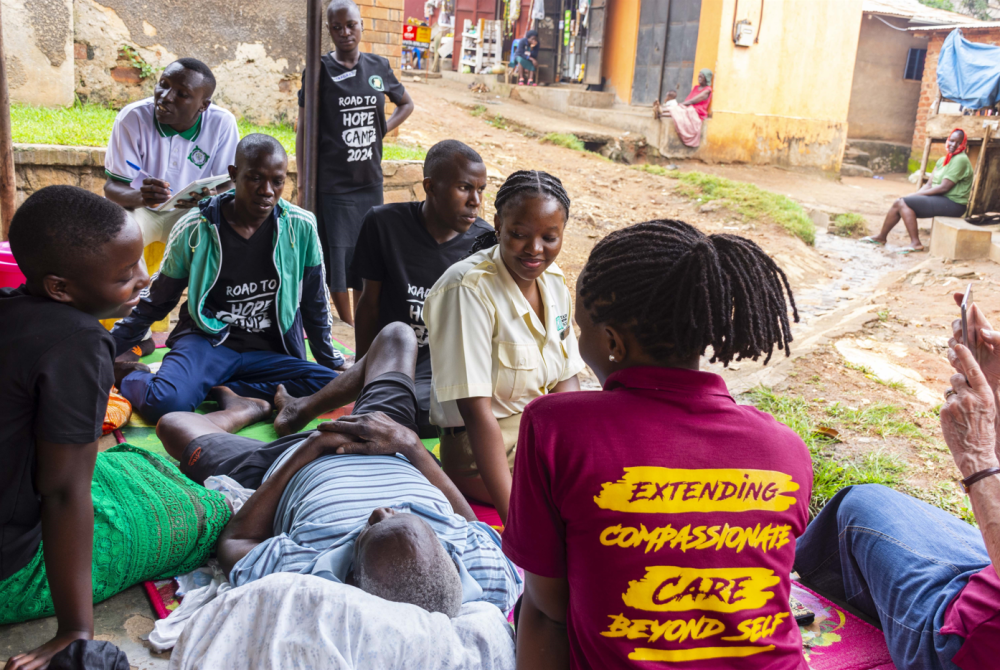
Uganda’s rapid social evolution driven by migration, urbanization, and population growth has gradually weakened the traditional African safety net of extended families and immediate neighbors. This social shift is happening at a time when the country’s health sector faces immense pressure. With over 41% of Ugandans living below the international poverty line, out-of-pocket healthcare expenses regularly exceed 40%, leaving many vulnerable families facing bankruptcy. As non-communicable diseases (NCDs) rise and our population ages, the need for community-led palliative care has never been more urgent. To bridge this gap, the Palliative Care Association of Uganda (PCAU) pioneered the Compassionate Communities Program. This initiative reawakens our rich cultural heritage of neighborliness, mobilizing ordinary citizens, schools, and local networks to ensure the sick, frail, and elderly are never left to suffer alone.
Our Vision: Palliative Care for All in Uganda

How it Works

Rebuilding a culture of care requires structured, localized collaboration. Our implementation framework directly mirrors our successful community navigation models:
  1. Local Partnerships: PCAU enters a strategic partnership with a stand-alone hospice or a palliative care team at a local hospital.
  2. Community Mapping: Together, we map out a specific parish or ward (targeting a localized population of 2,500 to 3,800 people) to assess resources, institutions, and healthcare needs.
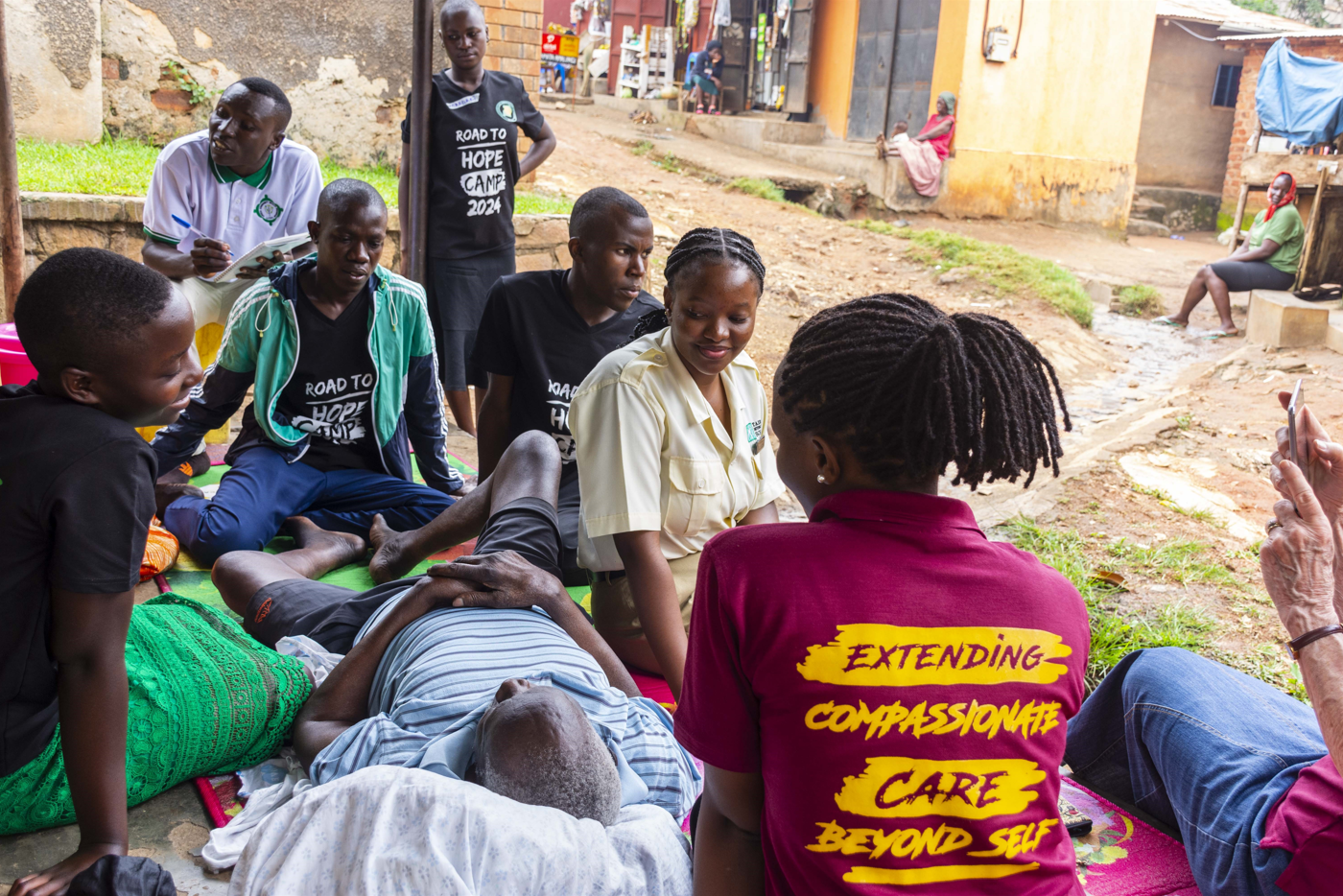
  3. Mobilizing VHTs: We select, train, and deploy Village Health Team (VHT) volunteers to conduct home assessments and offer immediate support.
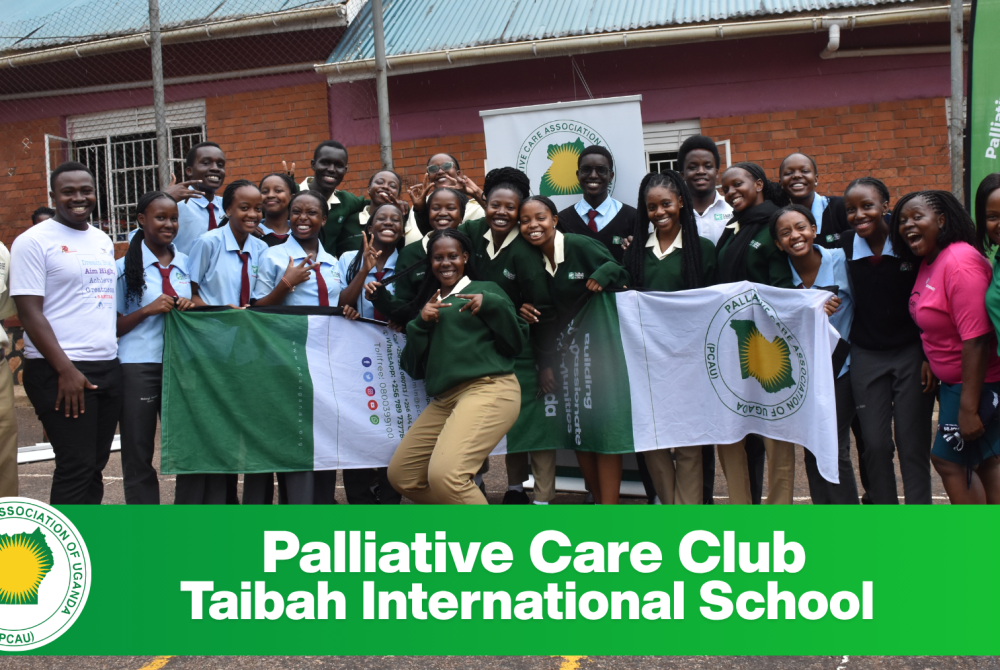
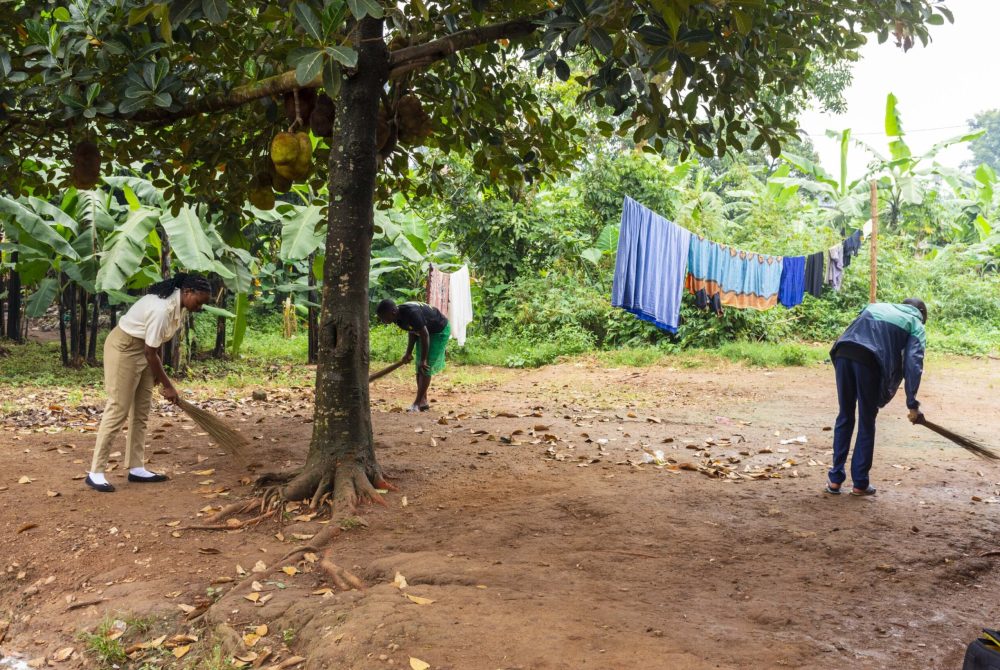
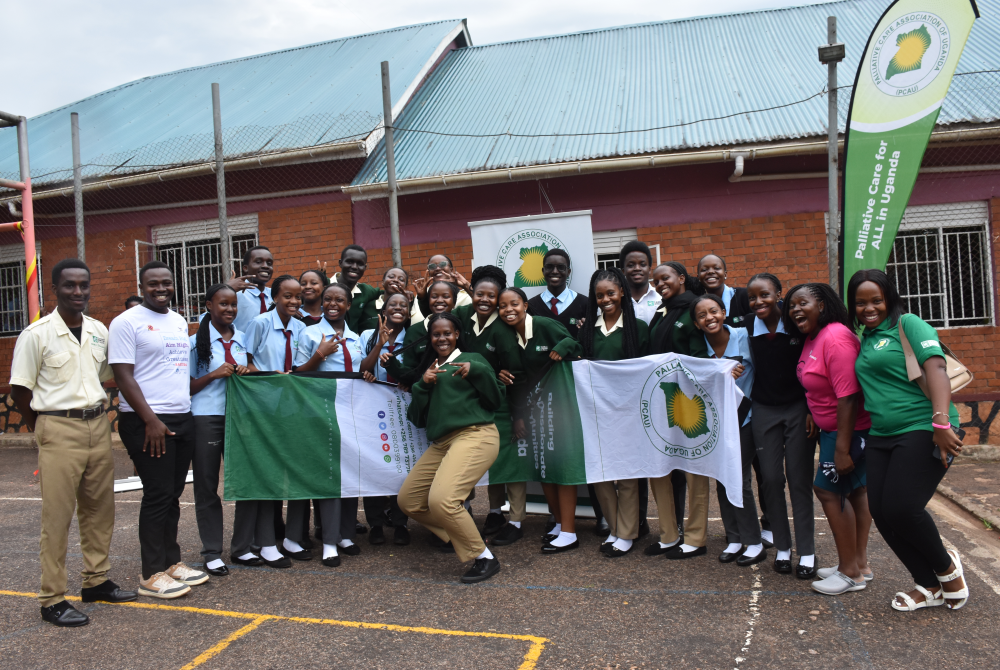
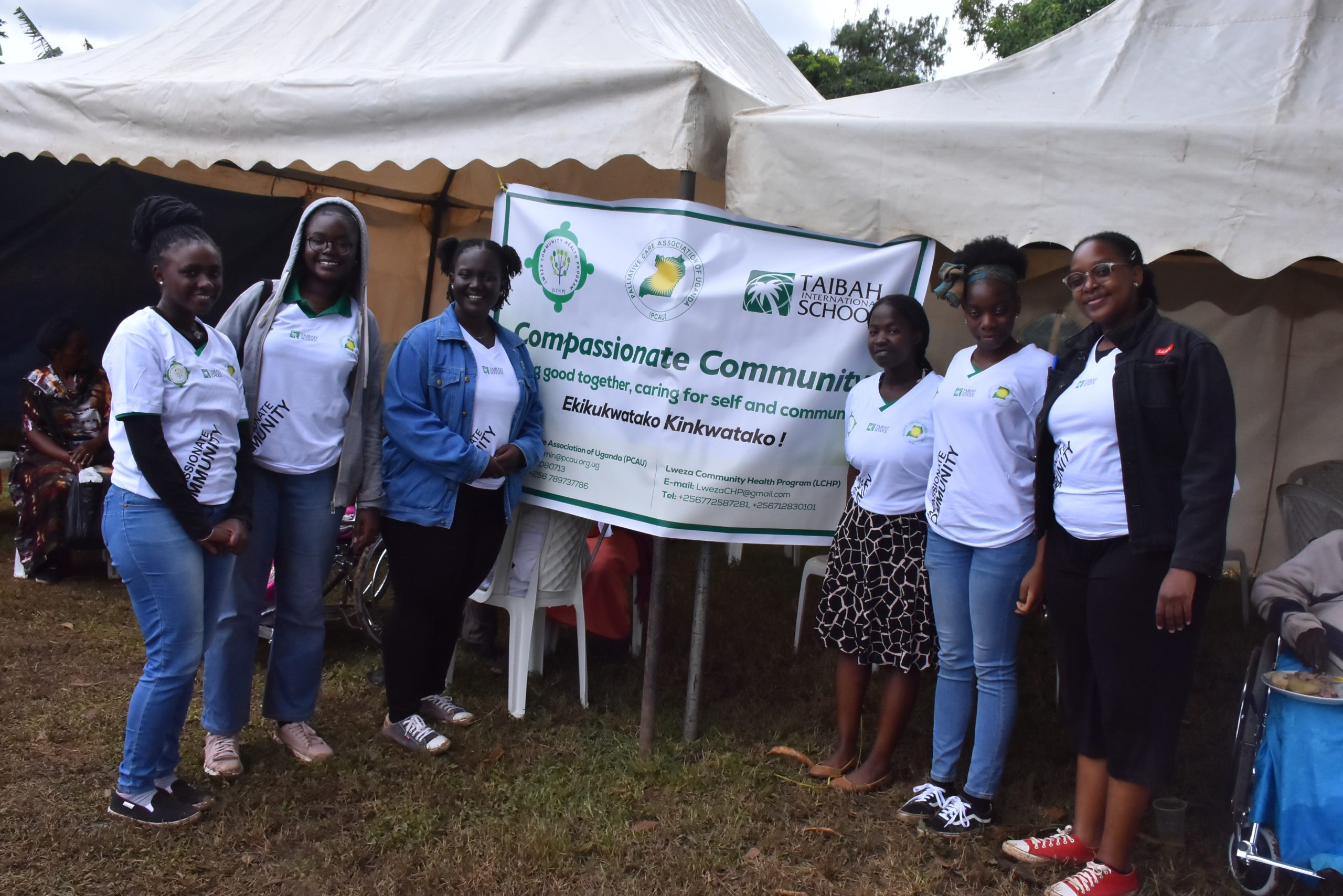
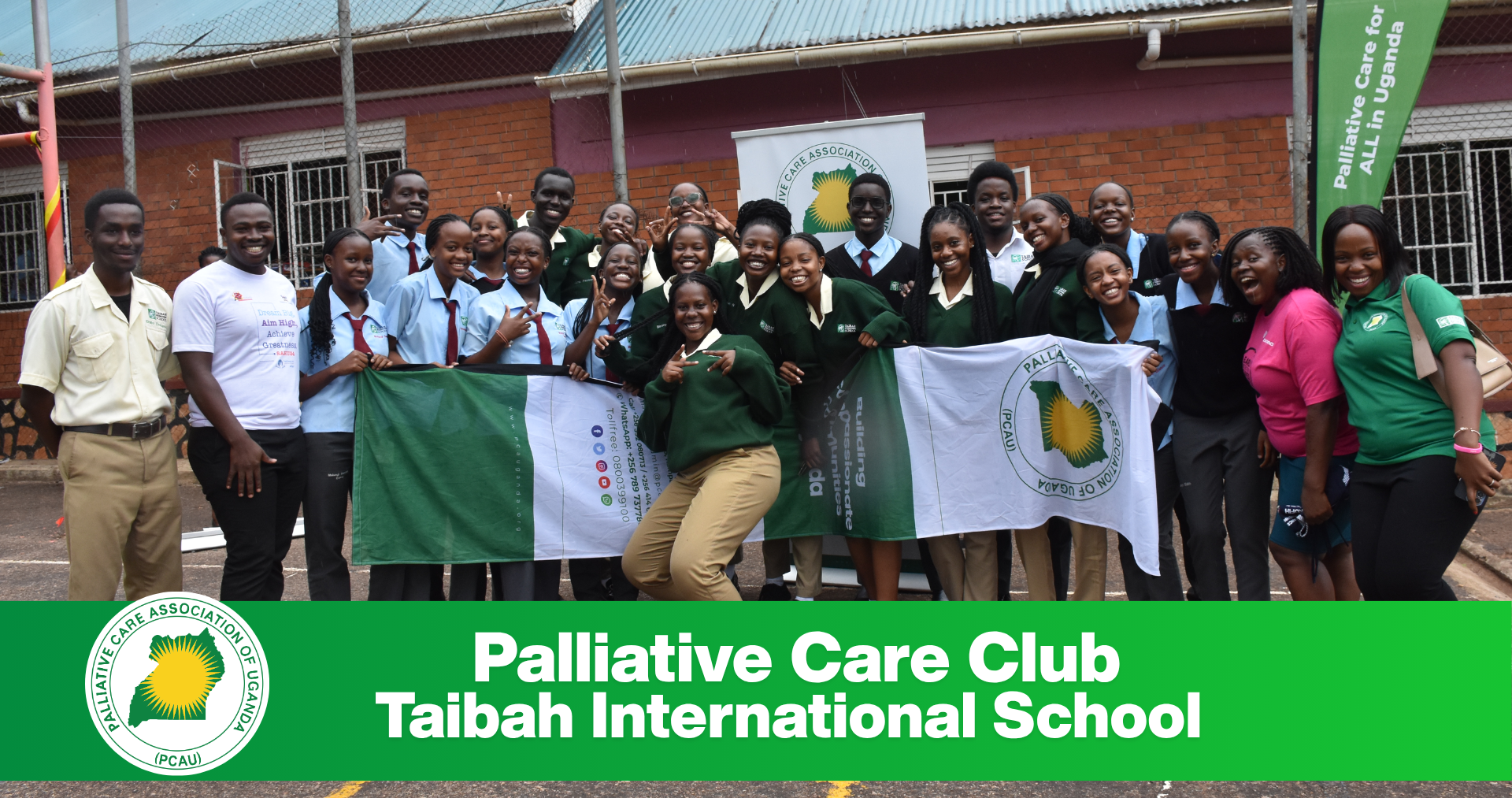
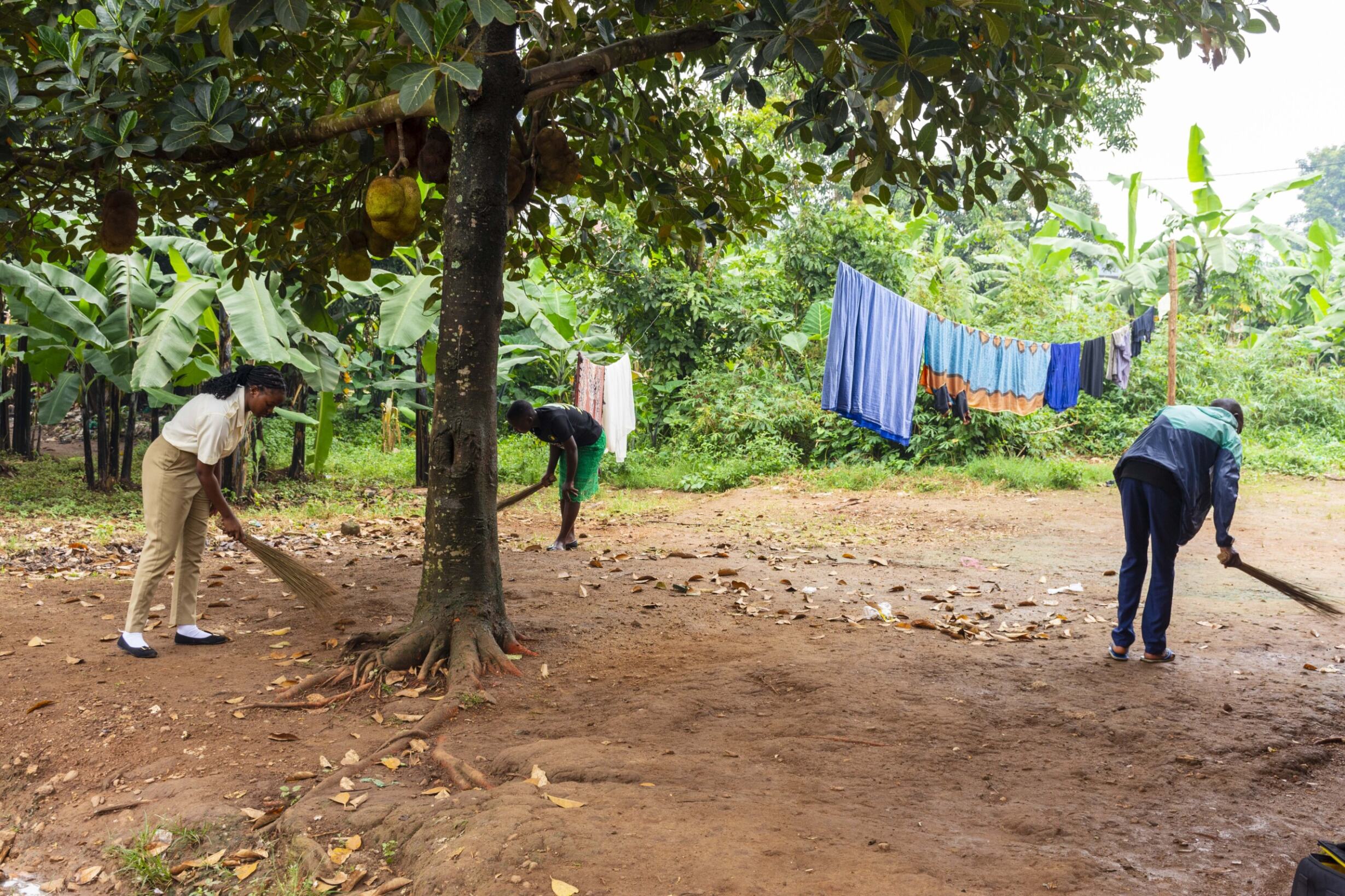
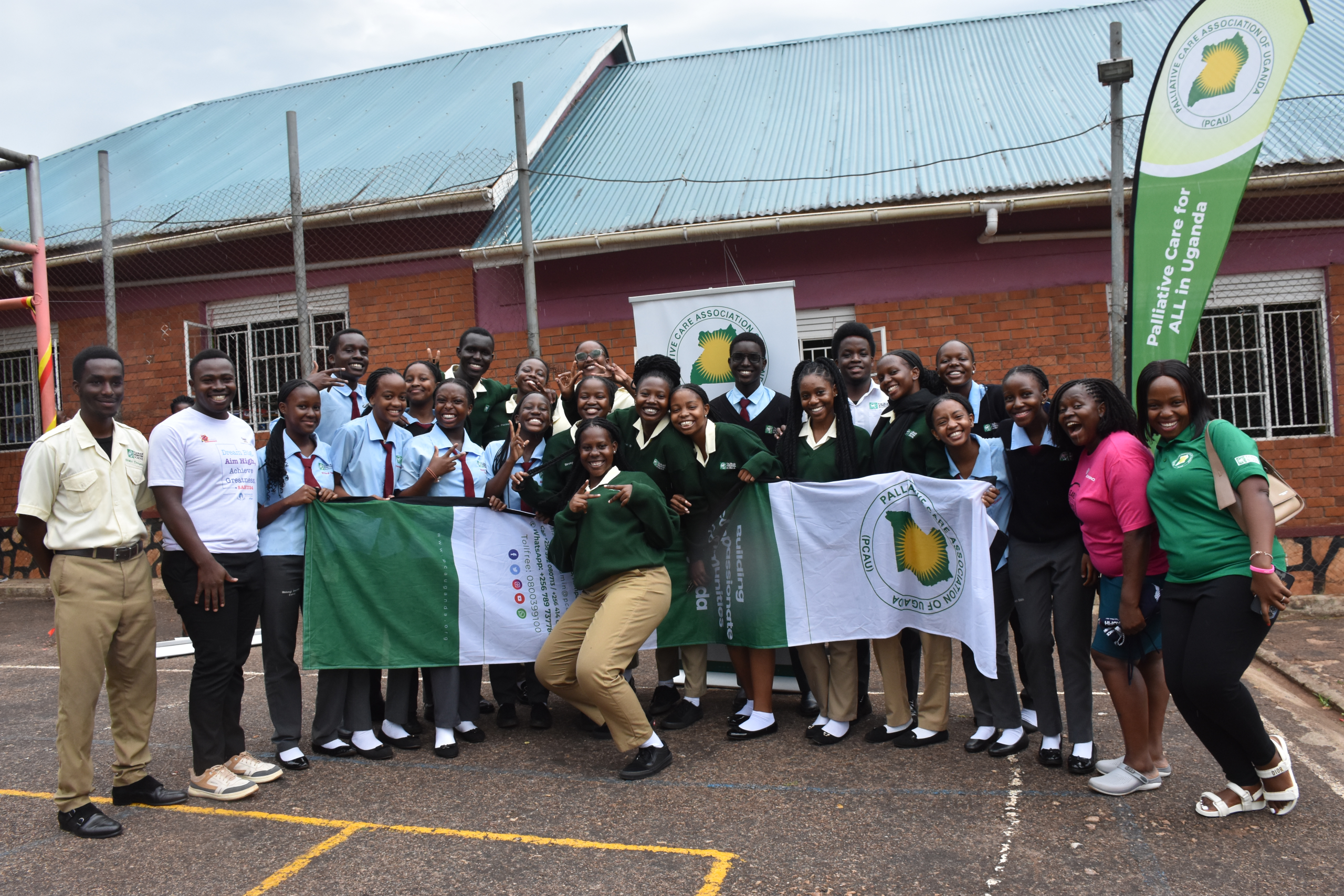
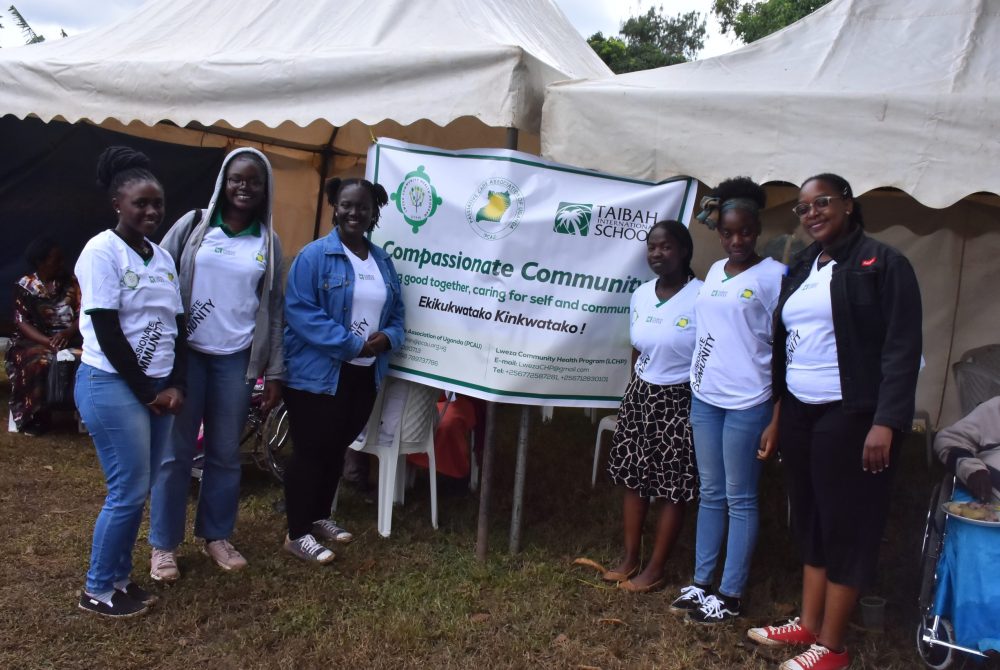
  4. School Clubs (SCCOP): We partner with local primary and high schools to establish student-led Palliative Care Clubs. These young advocates serve as catalysts—visiting the elderly, raising funds, helping with domestic chores, and identifying critical patient referral needs.

Spotlight Success on the School Compassionate Community Program Fundraiser (SCCOP)

A high school Palliative Care Club at Taibah International School conducted a fundraising campaign to support a child suffering from sickle cell disease in the neighboring community. The school headteacher met the child’s mother at her weekly Rotary club meeting and introduced the idea to the club. The mother, a medical doctor, is incredibly kind and passionate about raising awareness for sickle cell disease. In addition to her medical background, which provides her with significant exposure and knowledge, her child has sickle cell disease. At this point, the child required a bone marrow transplant, which can only be done abroad, not in Uganda. The cost is substantial. She was appealing for support.  It is common practice in Uganda for those who cannot raise enough treatment funds to make public appeals. Households’ out-of-pocket health expenditures are high, especially for conditions like sickle cell disease. Many families face bankruptcy due to medical costs. The school club announced the fundraiser, leveraging the school’s Annual Africa Day, where parents and guests are invited. The club organized drama sessions, donation boxes, and fundraising speeches. In a single day, they raised over USD 1,300, equivalent to Five Million Uganda Shillings. The child’s mother utilized her medical background to form partnerships for acquiring sickle cell testing kits as well.  Over 200 students and guests were screened for sickle cell disease that day. The club remains engaged in raising awareness about life-limiting illnesses, and their messages garner significant public attention.
Join Us in Expanding the Circle of Care

The Compassionate Communities Initiative demonstrates that mobilizing school-based clubs, Village Health Teams, and neighborly networks transforms the support system for Uganda’s chronically ill and elderly. Yet, scaling this vital grassroots model across more districts requires steady funding and strategic partnerships. To enroll new schools and sustain this movement of shared dignity, PCAU is actively seeking partners to fuel and expand this essential lifeline of care