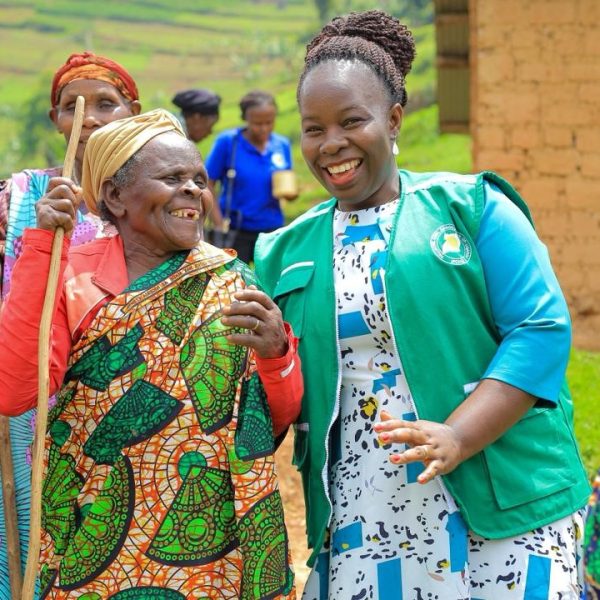
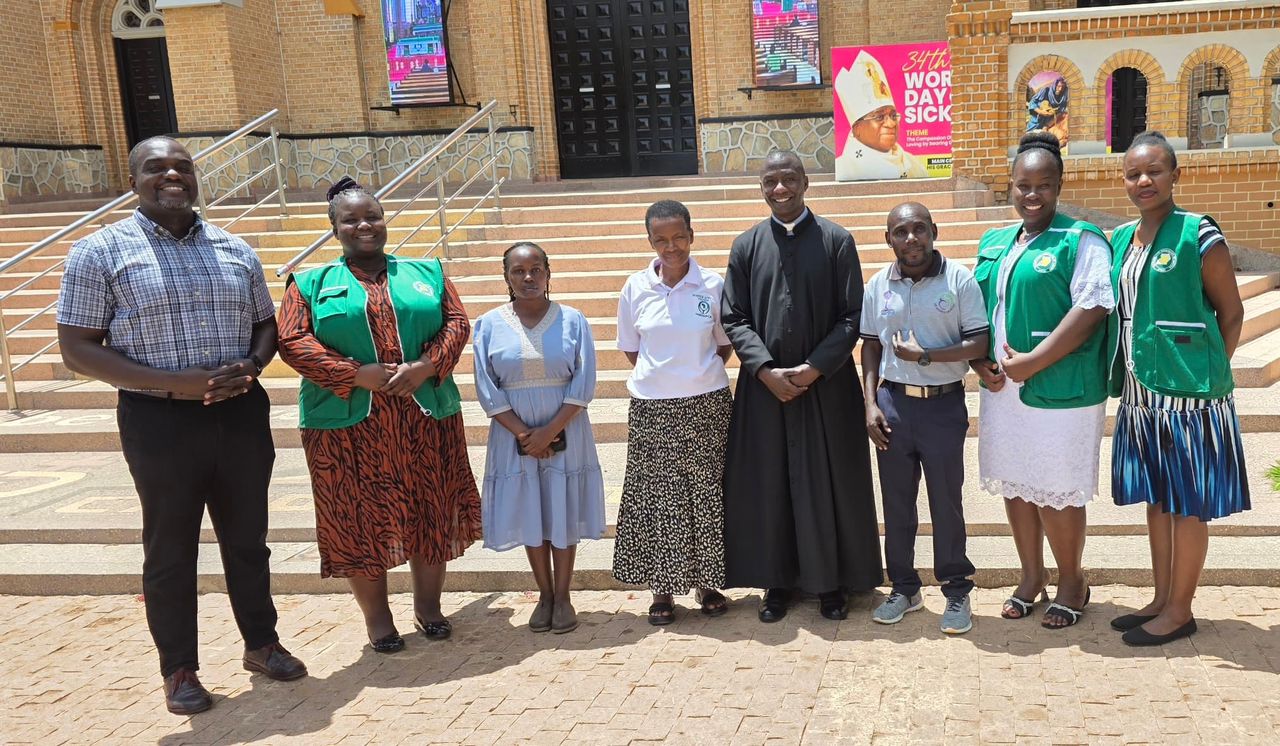
In February 2026, we partnered with the Kampala Archdiocese to commemorate the 34th World Day of the Sick through a series of activities aimed at promoting awareness and strengthening the delivery of compassionate, holistic care for the sick. The commemoration was guided by the theme, “The Compassion of the Samaritan: Loving by Bearing Another’s Pain,” which called for reflection on practical expressions of care, solidarity, and accompaniment for individuals facing serious illness, as well as those experiencing poverty, isolation, and loneliness.
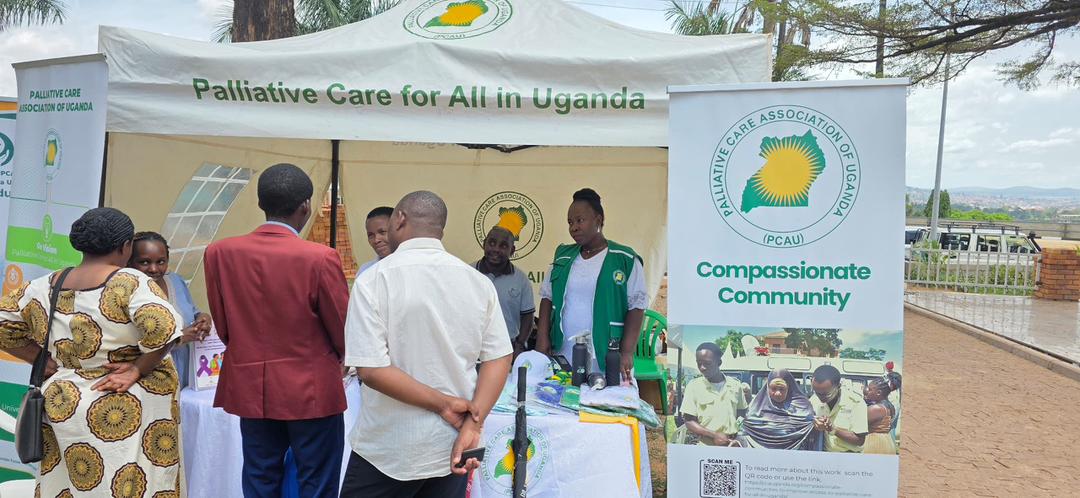
We conducted several activities between February 8 and 25, 2026, engaging faith communities, health professionals, and students. Palliative care information was disseminated during five Masses at St. Mary’s Cathedral Rubaga, providing an opportunity to raise awareness among congregants and encourage community support for individuals with life-limiting illnesses.
On February 11, a national webinar brought together participants from across the country to discuss the importance of compassionate care and the role of palliative care in improving quality of life. In addition, a Continuous Medical Education (CME) session was conducted for health workers at Rubaga Hospital, contributing to enhanced knowledge and skills in palliative care service delivery.
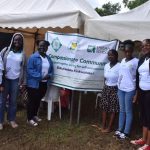
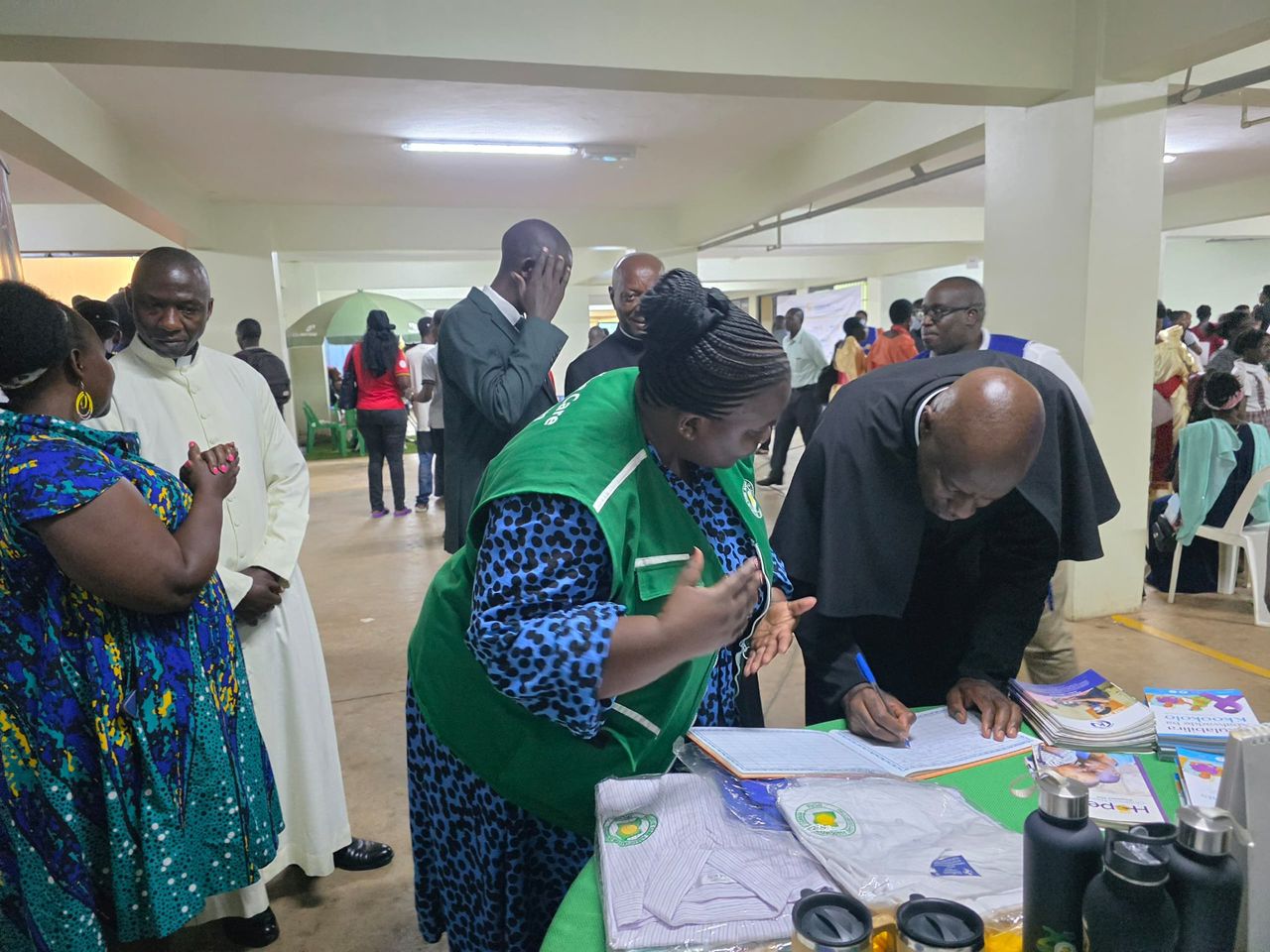
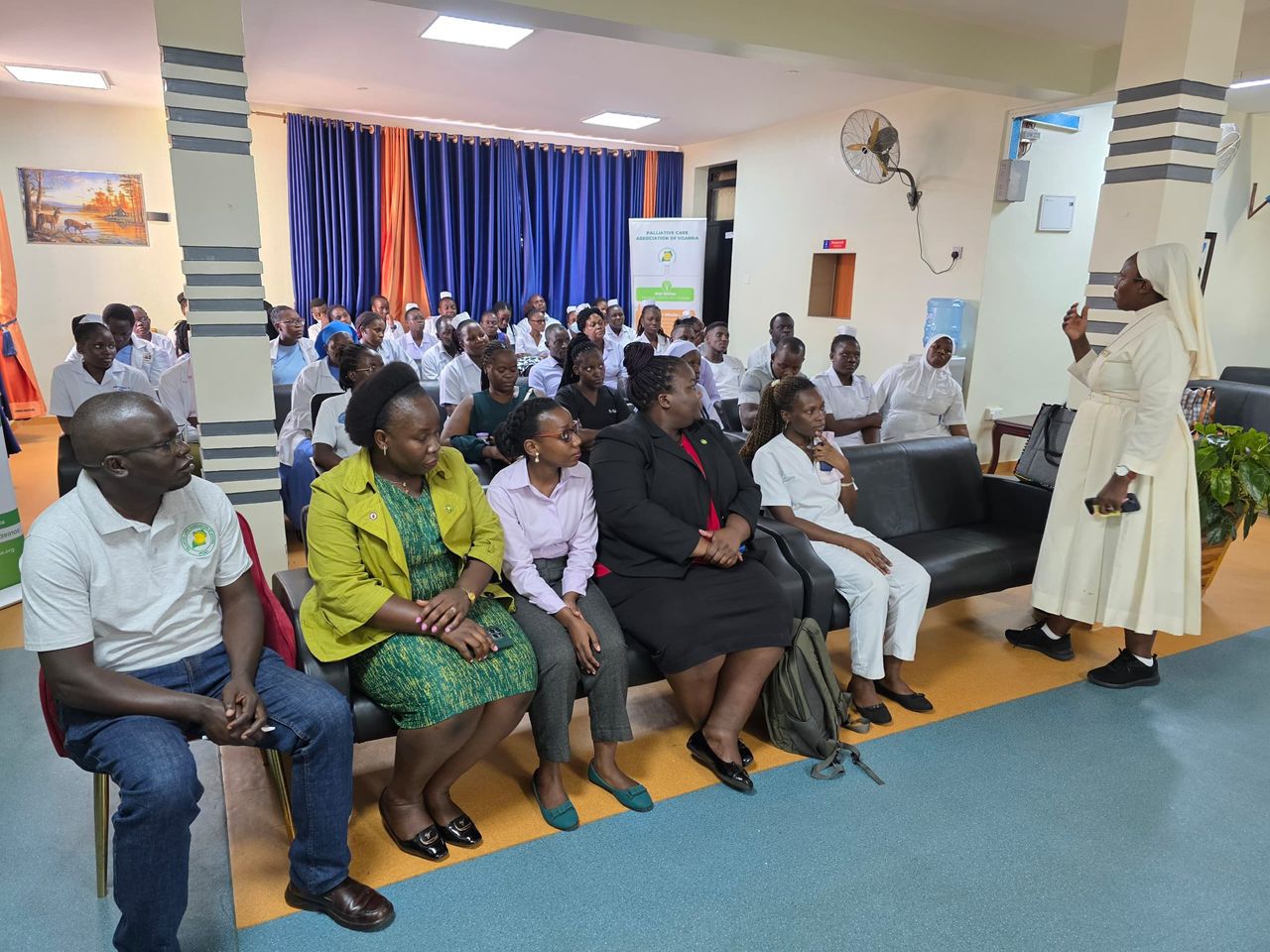
Further engagements included participation in a health camp organized by the Kampala Archdiocese at Rubaga Hospital, where services were brought closer to the community, as well as a guest lecture delivered to diploma nursing students at St. Michael Lubaga Hospital Training School. These activities are aimed at strengthening the capacity of both current and future health professionals to provide patient-centered, compassionate care.
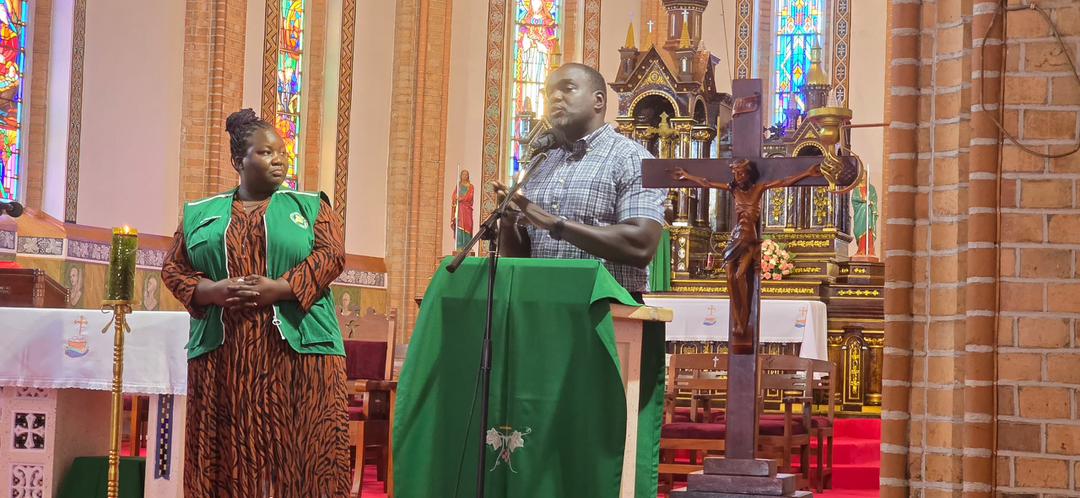
Beyond these events, palliative care messages were also shared in Catholic parishes across Uganda, extending the reach of the commemoration and fostering broader community awareness and involvement.
The 2026 World Day of the Sick activities contributed to increased public awareness of palliative care, strengthened collaboration between the Church and health institutions, and reinforced the role of faith-based communities in supporting hospice and palliative care initiatives. Commemoration served as an important platform for promoting reflection and action, while advancing a shared commitment to ensuring that all individuals facing serious illness receive dignified, compassionate care.